

The year 2020 taught us invaluable lessons about adaptability and resilience in marketing. When the COVID-19 pandemic disrupted traditional business models, marketers worldwide demonstrated remarkable agility in pivoting their strategies. This adaptability is particularly crucial for CBD marketers, who face unique challenges that extend beyond typical market disruptions.
The CBD industry operates within a complex landscape of regulations, legal uncertainties, and persistent stigma. Unlike conventional products, CBD marketing requires a nuanced approach that balances education, compliance, and brand building. As we navigate through 2026, the industry presents unprecedented opportunities for those willing to overcome these obstacles with strategic planning and dedicated effort.
Understanding CBD: The Foundation of Effective Marketing
What is CBD?
Cannabidiol, commonly known as CBD, represents a naturally occurring compound found primarily in hemp plants, though it also exists in marijuana. The distinction between these sources is crucial for marketers, as hemp-derived CBD contains significantly higher concentrations of cannabidiol while maintaining minimal THC levels.
The compound occurs entirely naturally and serves various purposes, yet until recent years, it faced considerable stigmatization due to its association with marijuana. This perception has gradually shifted as scientific research continues to demonstrate clear differences between CBD and psychoactive cannabis products.
Distinguishing CBD from Marijuana
The fundamental difference between CBD and marijuana lies in their psychoactive properties. CBD products contain negligible amounts of THC (tetrahydrocannabinol), the compound responsible for marijuana’s intoxicating effects. This absence of significant THC content means CBD does not produce the “high” associated with marijuana use.
This distinction has proven pivotal in shaping legal frameworks worldwide. Many countries have established clear regulations permitting CBD use while maintaining restrictions on marijuana. Nations including Austria, Argentina, Belgium, Bulgaria, Croatia, Canada, Czech Republic, France, Germany, Greece, and the USA have implemented varying degrees of CBD legalization, ranging from prescription requirements to unrestricted access.
The CBD Market Landscape
Market Size and Growth Projections
| Metric | 2019 Actual | 2025 Projection | 2027 Projection |
|---|---|---|---|
| Global Market Value | $4 Billion | $25 Billion | $40 Billion |
| Compound Annual Growth Rate (CAGR) | – | 42% | 46% |
| North American Market Share | 75% | 70% | 68% |
| Primary Growth Sectors | Pharma, Food | Pharma, Wellness, Beauty | All Sectors |
| Consumer Awareness (US) | 26% tried CBD | 45% aware of CBD | 60% market penetration |
The global CBD market demonstrates remarkable growth potential, with valuations expected to increase tenfold between 2019 and 2027. This expansion reflects growing consumer acceptance, regulatory clarity, and increased product diversity across pharmaceutical, food, fitness, recreational, and wellness sectors.
Impact of COVID-19 on CBD Sales
The coronavirus pandemic significantly affected retail patterns across all industries, with CBD experiencing a notable shift from in-store to online purchases. While physical retail locations faced reduced foot traffic, digital channels compensated for these losses as consumers increasingly turned to e-commerce platforms for their CBD needs.
This transition accelerated the digital transformation within the CBD industry, compelling companies to strengthen their online presence and develop robust digital marketing strategies. The pandemic ultimately validated the importance of omnichannel approaches and digital-first marketing tactics.
Market Growth Drivers
Several factors contribute to sustained CBD market expansion. Pharmaceutical companies continue developing CBD-based medications and therapies, while governments worldwide implement clearer regulatory frameworks that support legitimate business operations. The medical community’s growing recognition of CBD’s therapeutic potential has led to increased acceptance and prescription usage.
Innovation drives additional growth through new product formulations, delivery methods, and applications across diverse industries. From topical solutions to edibles, beverages to pet products, the market continues expanding into previously untapped segments.
Market Restraints
Despite significant growth, the CBD market faces substantial challenges. Consumer education remains the primary obstacle, as many potential customers lack understanding of CBD’s properties, benefits, and differences from marijuana. This knowledge gap creates hesitation and limits market penetration.
Regulatory uncertainty in some regions continues hampering business development, while quality control issues among certain manufacturers damage overall industry credibility. These challenges underscore the critical importance of effective marketing strategies focused on education and trust building.
Marketing Challenges in the CBD Industry
Overcoming Negative Perception
Public perception represents the most significant hurdle facing CBD marketers. Many consumers, particularly those over 35, immediately associate CBD with marijuana and assume it produces psychoactive effects. This misconception stems from decades of cannabis prohibition and limited public education about cannabinoid differences.
Effective marketing strategies must prioritize education, clearly distinguishing CBD from THC-containing products. Marketers should emphasize scientific research, safety profiles, and legal status while addressing common misconceptions through factual information and testimonials from credible sources.
Product Quality Disparities
The CBD industry suffers from significant quality variations among manufacturers. While established brands maintain rigorous quality control standards, many producers operate with inconsistent manufacturing processes, inadequate testing protocols, and unclear ingredient labeling.
These quality disparities damage consumer confidence and create marketing challenges for legitimate businesses. Successful CBD marketing must emphasize transparency, third-party testing, manufacturing standards, and ingredient disclosure to differentiate quality products from inferior alternatives.
Social Media Platform Restrictions
Major social media platforms including Facebook, Instagram, and Twitter maintain strict policies prohibiting direct CBD advertising, regardless of product legality. These restrictions force marketers to develop creative approaches that comply with platform guidelines while still reaching target audiences.
Successful strategies focus on educational content rather than direct product promotion. Marketers can share scientific research, industry news, and general wellness information while building brand awareness through valuable content that doesn’t explicitly promote CBD products.
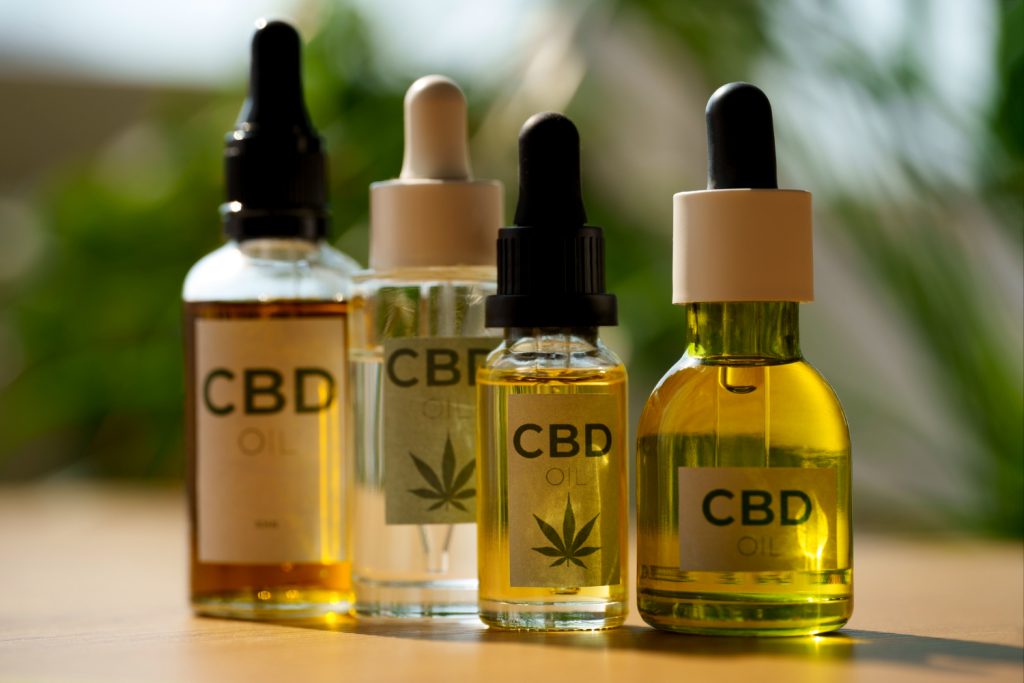 The Strategic Importance of CBD Marketing
Brand Differentiation in a Crowded Market
The rapidly expanding CBD industry creates intense competition as new businesses enter the market daily. Effective marketing becomes essential for establishing unique brand identities that resonate with target consumers and differentiate products from countless alternatives.
Successful brands position themselves as educational resources and trusted experts in cannabinoid science. By providing valuable information about CBD research, applications, and safety, companies build credibility and attract consumers seeking reliable guidance in an often-confusing marketplace.
Customer Acquisition Strategies
Consumer research indicates that 26% of US citizens have tried CBD at least once, with usage concentrated among younger demographics. However, studies suggest that 40% of Americans remain open to trying CBD products, representing significant untapped market potential.
This data reveals substantial opportunities for customer acquisition through targeted marketing campaigns that address specific consumer concerns and provide compelling reasons to try CBD products. Early market entrants can establish strong customer relationships before competition intensifies further.
Public Education and Awareness
CBD marketing serves a broader purpose beyond immediate sales generation. The industry collectively benefits from educational initiatives that increase public understanding of CBD’s properties, safety profile, and potential applications. This educational approach helps reduce stigma while expanding the overall market.
Companies investing in comprehensive educational content contribute to industry-wide growth while establishing themselves as thought leaders. This long-term approach builds stronger customer relationships and supports sustainable business development.
Building Consumer Trust
Trust represents a fundamental challenge in CBD marketing, as consumers often remain skeptical about product quality, safety, and efficacy. This skepticism stems from industry youth, regulatory uncertainty, and past scandals involving misleading claims or contaminated products.
Effective marketing strategies prioritize transparency, scientific backing, and honest communication about product limitations. Companies that consistently deliver on promises while maintaining ethical marketing practices gradually build the trust necessary for long-term success.
Regulatory Compliance in CBD Marketing
Prohibited Marketing Claims
Federal Trade Commission (FTC) and Food and Drug Administration (FDA) regulations establish clear boundaries for CBD marketing communications. Understanding these restrictions is essential for developing compliant marketing strategies that avoid regulatory violations and potential penalties.
Marketers cannot make unsubstantiated health claims about CBD products without supporting scientific evidence. Vague promises or exaggerated benefits risk regulatory action and damage brand credibility. Instead, marketing messages should focus on general wellness support while avoiding specific medical claims.
Companies must also refrain from positioning CBD products as replacements for prescription medications or medical treatments. Even when anecdotal evidence suggests potential benefits, marketing materials cannot recommend CBD as a substitute for professional medical care without appropriate regulatory approval.
Disease-related claims represent another prohibited area, as marketers cannot suggest that CBD treats, prevents, or cures specific medical conditions without FDA approval. This restriction requires careful language selection that emphasizes potential support rather than definitive medical outcomes.
Age Restrictions and Marketing Practices
CBD marketing must exclude minors from all promotional activities. This requirement extends to advertising placement, audience targeting, creative content, and website access controls. Marketing campaigns should target audiences that are at least 70% adult to demonstrate compliance with age restriction requirements.
Creative materials must avoid elements that appeal primarily to children, including cartoon characters, bright colors, or imagery associated with youth culture. Website design should incorporate age verification mechanisms that restrict access to adult visitors only.
Federal Regulatory Framework
The FTC prohibits deceptive or false advertising across all industries, with particular scrutiny applied to health and wellness products. All marketing claims must be substantiated with credible scientific evidence, and companies bear the burden of proof for any statements made about product benefits or effects.
FDA regulations vary depending on product classification, with different requirements for cosmetics, supplements, drugs, and food products. CBD cosmetics must comply with standard cosmetic regulations without adulterating or misbranding products. Drug claims require FDA approval through established pharmaceutical pathways.
Current regulations prohibit adding CBD to food products or marketing CBD as dietary supplements without appropriate approvals. These restrictions require careful product positioning and marketing language to ensure compliance.
Strategic Branding for CBD Success
Separating CBD from Cannabis Stigma
Effective CBD branding requires deliberate separation from negative cannabis associations that persist in public perception. This positioning challenge demands consistent messaging that emphasizes CBD’s unique properties, legal status, and safety profile while distancing products from recreational drug use.
Successful brands develop comprehensive narratives that educate consumers about CBD’s origins, manufacturing processes, and applications in wellness and health contexts. This educational approach gradually reshapes public perception while building positive brand associations.
Visual branding elements should reflect professionalism, scientific credibility, and wellness positioning rather than counterculture aesthetics often associated with cannabis products. Clean, modern design approaches help establish CBD brands as legitimate wellness companies rather than recreational drug alternatives.
Building CBD Category Awareness
Individual brand success depends partly on overall category growth, making industry-wide education efforts beneficial for all participants. Companies investing in CBD awareness initiatives contribute to market expansion while positioning themselves as industry leaders and trusted information sources.
This collaborative approach requires balancing competitive differentiation with collective industry advancement. Brands that successfully navigate this balance often achieve stronger market positions as category education increases consumer acceptance and adoption.
Digital Marketing Strategies for CBD Brands
Market Research and Analytics
Comprehensive market research forms the foundation of successful CBD marketing strategies. The industry’s complexity and rapid evolution require ongoing analysis of consumer behavior, regulatory changes, competitive landscape, and emerging opportunities within various market segments.
Effective research identifies micro-niches within the broader CBD market, allowing companies to develop targeted products and marketing approaches for specific consumer groups. Examples include CBD products formulated for anxiety management, post-workout recovery, sleep support, or pet wellness.
Keyword research becomes particularly important in CBD marketing, as traditional advertising channels remain restricted. Identifying low-competition keywords and search terms enables companies to build organic visibility through content marketing and search engine optimization efforts.
Marketing analytics provide actionable insights for campaign optimization, budget allocation, and strategic decision-making. Given the industry’s unique challenges, data-driven approaches often prove more effective than intuition-based marketing decisions.
Search Engine Optimization
SEO represents one of the most valuable marketing channels for CBD companies, as organic search traffic typically demonstrates higher intent and engagement compared to other traffic sources. Effective CBD SEO strategies require understanding both general optimization principles and industry-specific considerations.
On-site optimization begins with comprehensive keyword research targeting terms related to CBD education, product categories, and specific applications. Content should provide genuine value to searchers while naturally incorporating relevant keywords and phrases.
Technical SEO considerations include site speed optimization, mobile responsiveness, secure hosting, and proper site structure. These foundational elements support higher search rankings while improving user experience for potential customers researching CBD products.
Local SEO becomes important for CBD retailers with physical locations, though implementation requires careful attention to local regulations and advertising restrictions. Google My Business optimization can drive local traffic while maintaining compliance with platform policies.
Link Building and Authority Development
Link building remains a crucial component of CBD SEO strategies, though industry restrictions create unique challenges for securing high-quality backlinks. Successful approaches focus on earning links through valuable content creation, industry expertise, and relationship building with relevant websites.
Authority sites in health, wellness, business, and industry-specific publications represent ideal link targets. However, securing placements requires demonstrating expertise, providing unique insights, and offering genuine value to their audiences.
Content marketing efforts that produce shareable, educational resources naturally attract organic backlinks from websites seeking credible CBD information. This organic approach often proves more sustainable than aggressive outreach campaigns.
Industry partnerships, speaking engagements, and thought leadership activities create additional opportunities for earning authoritative backlinks while building brand recognition and credibility.
Content Marketing Excellence
Content marketing serves multiple purposes in CBD marketing strategies, from SEO support to customer education, trust building, and brand positioning. Effective content addresses consumer questions, concerns, and interests while avoiding promotional language that violates advertising restrictions.
Educational content topics might include CBD basics, extraction methods, product selection guides, usage recommendations, industry news, and scientific research summaries. This information-focused approach positions brands as helpful resources rather than pushy salespeople.
Content formats should vary to accommodate different learning preferences and consumption habits. Blog articles, infographics, videos, podcasts, and social media posts each serve specific purposes within comprehensive content strategies.
Consistency in publishing schedules and content quality helps build audience expectations and engagement. Regular content publication demonstrates ongoing commitment to customer education while supporting SEO objectives through fresh, relevant information.
Influencer Partnership Strategies
Influencer marketing provides opportunities to reach targeted audiences through trusted voices while avoiding direct advertising restrictions imposed by social media platforms. Successful CBD influencer campaigns require careful partner selection and campaign structure to ensure compliance and effectiveness.
Micro-influencers often provide better engagement rates and audience alignment compared to celebrities with massive followings. These partnerships typically offer more authentic endorsements and cost-effective reach within specific demographic segments.
Campaign structures should emphasize education and awareness rather than direct product promotion. Influencers can share personal experiences, discuss industry trends, or provide educational content that indirectly benefits partner brands.
Compliance considerations require clear guidelines for influencer partners regarding claims, language, and promotional approaches. Brands remain responsible for ensuring partner content meets regulatory requirements and platform policies.
Email Marketing Optimization
Email marketing remains one of the highest-ROI marketing channels available to CBD companies, offering direct communication with interested prospects and customers without platform restrictions or advertising limitations.
List building requires compelling lead magnets that provide genuine value in exchange for email addresses. Educational guides, research summaries, product selection tools, or exclusive content often attract quality subscribers interested in CBD information.
Email sequences should balance educational content with promotional messages, focusing primarily on value delivery rather than sales pitches. Welcome series, educational newsletters, and product updates typically perform well when properly executed.
Segmentation strategies allow for personalized messaging based on subscriber interests, purchase history, or engagement patterns. This targeted approach improves open rates, click-through rates, and conversion performance compared to generic broadcasts.
Affiliate Marketing Programs
Affiliate marketing enables CBD companies to expand their marketing reach through partner networks while maintaining performance-based compensation structures. This approach can multiply marketing efforts without proportional increases in upfront advertising costs.
Affiliate recruitment should focus on partners with relevant audiences, industry expertise, and compliance understanding. Quality affiliates often prove more valuable than large numbers of inexperienced partners who may inadvertently violate regulations or damage brand reputation.
Commission structures must balance affiliate motivation with sustainable profit margins. Competitive rates attract quality partners while ensuring program profitability and long-term sustainability.
Training and support programs help affiliates succeed while maintaining brand compliance and messaging consistency. Regular communication, marketing materials, and performance feedback strengthen partner relationships and program effectiveness.
Pros and Cons of CBD Marketing
Advantages
Market Growth Potential: The CBD industry demonstrates exceptional growth projections, offering early entrants significant opportunities for market share capture and revenue expansion.
Educational Authority Positioning: Companies can establish themselves as trusted experts in an emerging field, building long-term competitive advantages through thought leadership and customer education.
Diverse Product Applications: CBD’s versatility across multiple industries and use cases provides numerous marketing angles and target audience opportunities.
Less Traditional Competition: Platform advertising restrictions limit traditional competitors, creating opportunities for innovative marketing approaches and organic growth strategies.
Consumer Interest Growth: Increasing public awareness and acceptance of CBD products supports expanding market demand and customer acquisition potential.
Disadvantages
Complex Regulatory Environment: Navigating federal, state, and platform-specific regulations requires ongoing legal expertise and careful compliance monitoring.
Platform Advertising Restrictions: Major advertising channels remain unavailable, limiting reach and requiring alternative marketing strategies that may prove less efficient.
Public Perception Challenges: Persistent negative associations with marijuana create additional barriers to customer acquisition and brand building.
Quality Control Issues: Industry-wide quality problems damage overall market credibility and require significant effort to overcome consumer skepticism.
Limited Marketing Claims: Regulatory restrictions on health claims limit marketing message options and require creative approaches to communicate product benefits.
Future Outlook for CBD Marketing
The CBD marketing landscape continues evolving as regulatory frameworks mature and public acceptance grows. Industry observers anticipate gradual relaxation of advertising restrictions as governments develop clearer guidelines and social media platforms adapt their policies.
This evolution suggests that companies investing in foundational marketing strategies today will benefit significantly when traditional advertising channels become available. Building brand recognition, customer relationships, and market position through current channels creates competitive advantages that compound when expanded marketing options emerge.
Technological advancement will likely introduce new marketing opportunities through emerging platforms, communication channels, and consumer engagement methods. Companies maintaining flexibility and innovation in their marketing approaches will best capitalize on these developments.
The industry’s maturation will probably lead to increased consolidation, with successful marketers gaining market share while less effective competitors struggle to compete. This consolidation underscores the importance of developing robust marketing capabilities during the industry’s current growth phase.
Frequently Asked Questions
Q: Can CBD companies advertise on Google Ads?
A: Currently, Google prohibits CBD advertising on its platform, regardless of product legality. Companies must rely on organic search optimization and other marketing channels to reach potential customers.
Q: What health claims can CBD companies make in their marketing?
A: CBD marketers cannot make specific health claims without scientific substantiation and FDA approval. Marketing language should focus on general wellness support using terms like “may help” rather than definitive medical claims.
Q: Is it legal to market CBD products on social media?
A: While CBD products may be legal, major social media platforms prohibit direct CBD advertising. Companies can share educational content about CBD without directly promoting products for sale.
Q: How do CBD companies handle age restrictions in marketing?
A: CBD marketing must target adult audiences exclusively, typically requiring that at least 70% of the target demographic be over 18. Websites should include age verification, and marketing materials must avoid appealing to minors.
Q: What documentation do I need for CBD marketing claims?
A: Any marketing claims must be supported by credible scientific evidence, peer-reviewed research, or established industry standards. Companies should maintain documentation for all claims made in marketing materials.
Q: Can CBD companies use email marketing without restrictions?
A: Email marketing remains one of the least restricted channels for CBD companies, though messages must still comply with general regulations regarding health claims and product representations.
Q: How important is third-party testing in CBD marketing?
A: Third-party testing results are crucial for building consumer trust and supporting quality claims. Many successful CBD brands prominently feature testing certificates and transparency reports in their marketing materials.
Q: What’s the best way to educate consumers about CBD through marketing?
A: Focus on scientific research, clear explanations of CBD versus THC differences, manufacturing processes, and practical usage information. Educational content should prioritize facts over promotional language.
Conclusion
The CBD marketing landscape presents both exceptional opportunities and significant challenges for businesses willing to navigate its complexities. Success requires a deep understanding of regulatory requirements, consumer education needs, and innovative approaches to overcome traditional advertising limitations.
Companies that invest in comprehensive marketing strategies today will establish strong market positions as the industry continues maturing and restrictions gradually ease. The key lies in balancing immediate business objectives with long-term brand building, regulatory compliance, and consumer education.
The strategies outlined in this guide provide a framework for developing effective CBD marketing campaigns that drive results while maintaining compliance and building sustainable competitive advantages. As the industry evolves, companies that remain adaptable, customer-focused, and education-oriented will thrive in this dynamic and promising market.
The future of CBD marketing looks increasingly bright as public perception improves, regulations clarify, and new opportunities emerge. Businesses that begin implementing these strategies immediately will position themselves to capitalize on the significant growth projected for the CBD industry through 2026 and beyond.